Crunchy, Creamy, and Delicious: The Global Journey of Croquettes
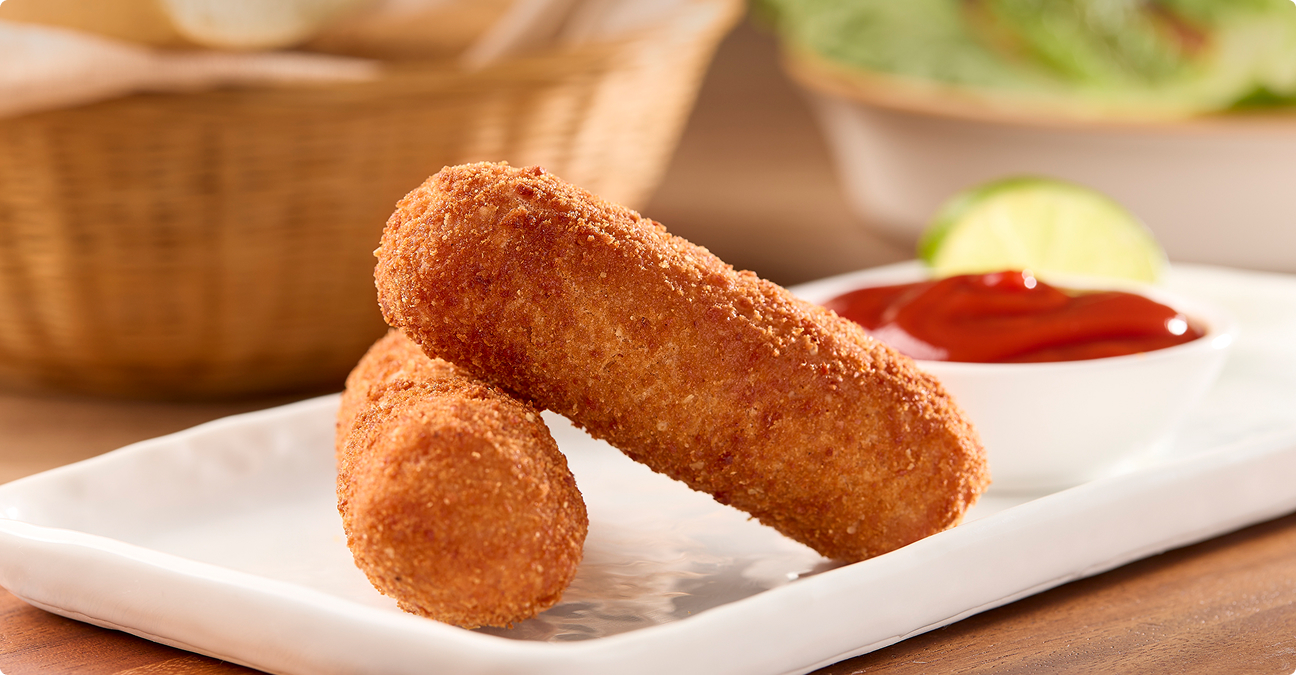
Ever bitten into a croquette and wondered where these crispy little bundles of joy came from? These golden-fried treats have quite the story to tell! While croquettes trace their culinary lineage back to 17th-century France, it was Spain that gave them everyday flair — transforming the béchamel-based delicacy into an iconic tapas bar favorite.
Fancy French Beginnings
The name “croquette” comes from the French word croquer, which means “to crunch” – and anyone who’s had a good croquette knows that satisfying crunch is half the fun! Croquettes started life in 17th-century France, basically as a thrifty way to turn yesterday’s scraps into today’s crispy gold. Court chef Louis de Bechamel (yes, the sauce guy) is often credited with the first “croquettes de viande” – meat bound with thick roux, chilled, breaded, and fried for the royal nibble crowd. Croquettes first show up in writing in 1691 when French chef François Massialot wrote down the earliest recipe in his cookbook. These weren’t your average snacks—they were fancy little meat balls stuffed with truffles, marrow, and cheese, then breaded and fried to perfection.
From Royal Tables to Every Kitchen
By the early 1800s, famous chef Antonin Carême put his own spin on croquettes by using a creamy béchamel sauce as a binder. He called them “croquettes à la royale” and served them at fancy royal banquets. Croquettes became a global staple when chef Auguste Escoffier helped spread croquettes around the world through his cooking schools and recipes. He often made them with mashed potatoes, which is how many of us know them today.
Waste Not, Want Not
Here’s what makes croquettes so brilliant: they were created to use up leftovers! Long before “reduce, reuse, recycle” was a thing, clever home cooks were turning yesterday’s dinner into today’s crunchy treats. Got leftover meat? Leftover veggies? Mix them with some sauce or potatoes, bread them, fry them up, and voilà—a whole new meal!
Croquettes Go Global
As croquettes traveled the world, every culture put their own spin on them:
– In Spain and Portugal, croquetas are tapas stars made with creamy béchamel and fillings like ham or salt cod
– The Dutch turned them into heftier versions called kroketten, and they became a popular pub and street food filled with beef ragout
– Indonesia kept the Dutch version but spiked it with nutmeg!
– Japan created a version they call korokke, made with mashed potatoes and minced meat. Korokke are a convenience store staple in Japan.
– Latin America? Every region stamped its culture on the bite: Cuba blended ham with their own bechamel, Brazil folded in chicken and catupiry cheese, and Puerto Rico made yucca the binder.
– In the U.S., croquettes popped up in early 1900s community cookbooks—first as crab or salmon patties, later as retro chicken croquettes smothered in cream sauce. Today you’ll see them everywhere from Michelin-starred tapas bars to freezer-aisle comfort brands.
From Fancy to Familiar
What started as fancy food for French royalty has become comfort food loved around the world. Whether you grab them from a food truck, order them at a tapas bar, or make them at home with whatever’s in your fridge, croquettes remind us that some of the best foods come from simple ingredients and a bit of creativity.
Next time you crunch into a croquette, you can appreciate that you’re enjoying a snack with over 300 years of delicious history!
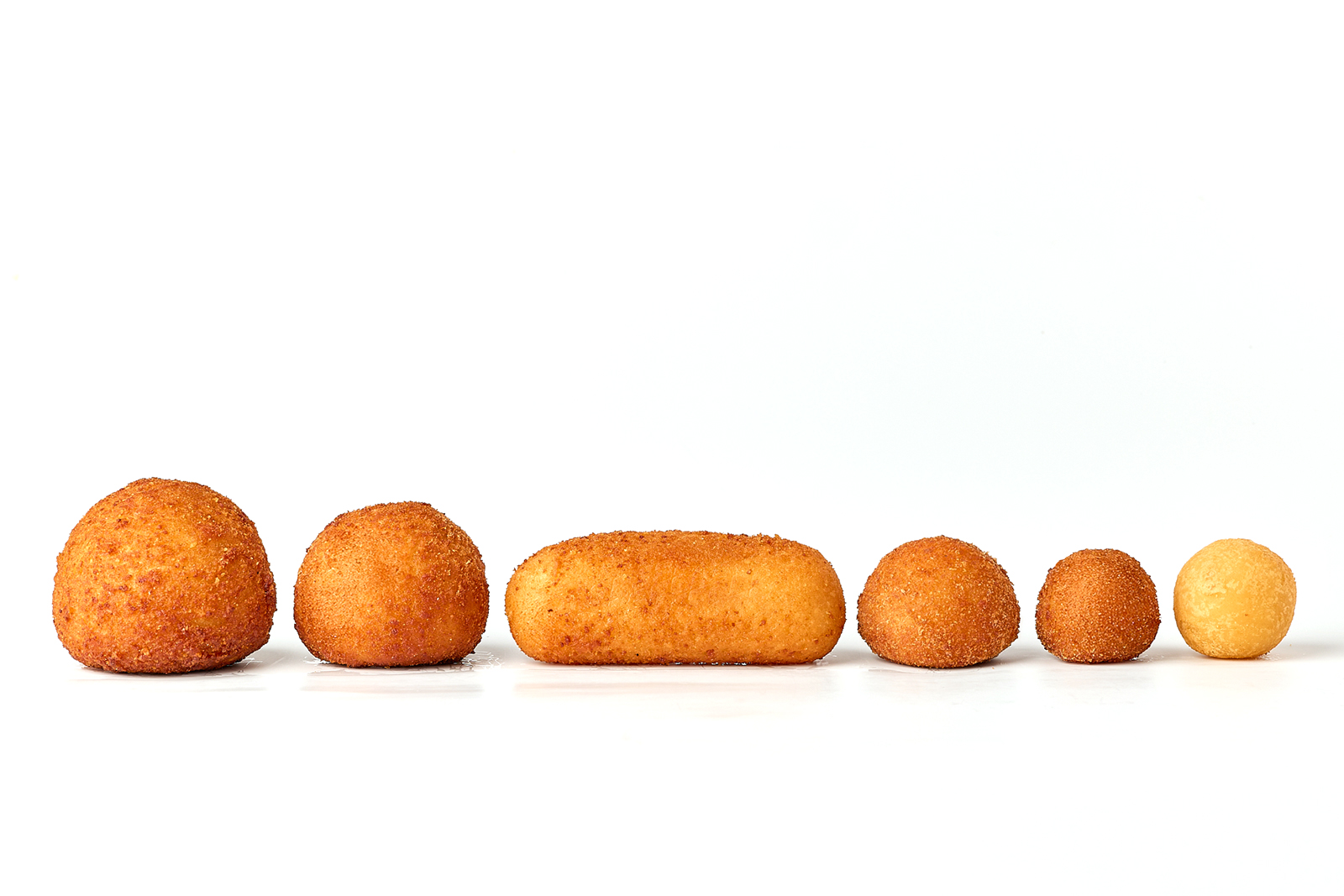
At Catalina, we’ve made croquettes our calling card — from our best-selling ham to traditional bacalao and our signature ChoriCheese. Whether you’re running a bakery, planning a party, or just craving a quick snack, Catalina croquettes bring history and flavor to every bite.